
Introduction
Fire-prone home insurance coverage provides essential financial protection for homeowners living in areas vulnerable to wildfires, forest fires, brush fires, and other fire-related disasters. Are you concerned about protecting your home from increasing wildfire risks and rising property repair costs? Standard homeowners insurance may not always provide adequate protection for homes located in high-risk fire zones. Choosing the right fire-prone home insurance coverage helps safeguard your property, personal belongings, and financial future while ensuring compliance with mortgage requirements. Understanding coverage options, policy limits, deductibles, exclusions, and insurer requirements enables homeowners to make informed decisions and strengthen long-term financial security against devastating fire losses.
Understanding Fire-Prone Home Insurance Coverage Benefits Clearly
Fire-prone home insurance coverage protects homeowners against financial losses caused by wildfires, house fires, smoke damage, explosions, and other covered fire-related events. Comprehensive policies typically include dwelling protection, personal property coverage, liability insurance, additional living expenses, and structural repairs following covered losses. This financial support helps homeowners rebuild after devastating disasters while minimizing unexpected expenses. Understanding these benefits allows property owners to compare insurance policies effectively and choose dependable protection that preserves valuable assets and long-term financial stability.
Why Fire-Prone Home Insurance Coverage Matters Today
Wildfires continue increasing in frequency and severity across many regions, making fire-prone home insurance coverage more important than ever before. Homes located near forests, grasslands, or dry vegetation face greater risks of severe fire damage. Without adequate insurance, rebuilding expenses may create overwhelming financial hardship for homeowners. Understanding the importance of specialized fire protection encourages responsible insurance planning while ensuring families remain financially secure after unexpected wildfire disasters and property losses.
How Fire-Prone Home Insurance Coverage Actually Works Today
Most fire-prone home insurance coverage policies provide financial protection after covered fire-related losses by reimbursing repair costs, rebuilding expenses, personal property replacement, and temporary housing costs according to policy limits. Homeowners pay deductibles before insurance benefits apply, while insurers evaluate damages through claims inspections. Coverage varies depending on policy terms, exclusions, and endorsements. Understanding how fire insurance functions helps homeowners compare available policies while selecting dependable financial protection for high-risk properties.
Common Fire Risks Affecting Residential Property Insurance Coverage
Several factors increase the need for fire-prone home insurance coverage, including nearby forests, dry vegetation, drought conditions, high winds, aging electrical systems, lightning strikes, outdoor fire pits, and neighboring property fires. Insurance companies evaluate these hazards carefully when determining premiums and eligibility. Understanding common fire risks helps homeowners reduce property vulnerabilities while improving opportunities for affordable insurance coverage and stronger long-term financial protection.
Comparing Dwelling Coverage Limits Before Purchasing Insurance Carefully
Dwelling protection remains one of the most important components of fire-prone home insurance coverage because it pays to repair or rebuild the home’s physical structure after covered fire damage. Homeowners should choose coverage limits reflecting current rebuilding costs rather than market value alone. Adequate dwelling insurance prevents costly out-of-pocket rebuilding expenses. Understanding dwelling coverage calculations helps consumers compare policies effectively while securing sufficient protection for valuable residential investments.
Personal Property Protection Against Fire Damage Losses Explained
- Furniture damaged or destroyed by covered fires
- Electronics, including televisions, computers, and mobile devices
- Clothing and personal belongings
- Household appliances such as refrigerators, ovens, and washing machines
- Jewelry and valuable personal items (subject to policy limits)
- Household furniture and home décor
- Reimbursement based on your policy limits and valuation method
- Home inventories help document valuable possessions before disasters
- Photographs, receipts, and serial numbers strengthen future insurance claims
- Personal property coverage reduces financial losses after major fire events
- Understanding coverage limits helps homeowners maximize insurance benefits
Additional Living Expense Coverage During Home Repairs Explained
When fire damage makes a residence temporarily uninhabitable, fire-prone home insurance coverage often includes additional living expense benefits. These payments help cover hotel accommodations, temporary rentals, meals, transportation, and other reasonable costs incurred while the home undergoes repairs. Additional living expense coverage reduces financial stress during recovery and allows families to maintain normal living arrangements. Understanding these benefits supports informed insurance decisions and stronger financial preparedness.
Understanding Wildfire Coverage Within Homeowners Insurance Policies Carefully
Many homeowners assume standard insurance automatically covers every wildfire-related loss, but fire-prone home insurance coverage varies significantly between insurers and locations. Certain high-risk regions may require specialized endorsements, separate policies, or participation in state insurance programs. Reviewing wildfire protection carefully helps homeowners understand available benefits before disasters occur. Understanding wildfire coverage differences supports stronger insurance planning and more dependable financial protection.
Factors Affecting Fire-Prone Home Insurance Premium Costs Significantly
Several important factors influence premiums for fire-prone home insurance coverage, including property location, wildfire exposure, home construction materials, roof condition, defensible space, local fire department access, claims history, and selected deductibles. Homes demonstrating reduced fire risks often qualify for more competitive premiums. Understanding premium calculation factors encourages proactive wildfire mitigation while helping homeowners identify opportunities for long-term insurance savings.
Home Construction Materials Influencing Fire Insurance Eligibility Decisions
Insurance companies carefully evaluate construction materials when reviewing fire-prone home insurance coverage applications. Fire-resistant roofing, noncombustible siding, tempered glass windows, enclosed eaves, and ignition-resistant building materials often improve insurability while reducing wildfire vulnerability. Homes built using modern fire-resistant construction frequently qualify for better insurance opportunities. Understanding building material requirements encourages homeowners to invest in safer construction improvements while strengthening long-term insurance protection.
Creating Defensible Space Around Homes For Better Protection
Maintaining defensible space significantly improves the effectiveness of fire-prone home insurance coverage by reducing wildfire risks before disasters occur. Removing dead vegetation, trimming tree branches, cleaning gutters, maintaining landscaping, and creating buffer zones around structures decrease fire spread opportunities. Many insurers encourage wildfire mitigation efforts through underwriting incentives. Understanding defensible space recommendations helps homeowners improve property safety while supporting lower insurance risks and stronger financial protection.
Comparing Insurance Companies Serving High Fire Risk Areas Carefully
Not every insurer offers identical fire-prone home insurance coverage, especially in wildfire-prone regions. Some companies specialize in high-risk properties while offering broader coverage, flexible underwriting, and valuable wildfire prevention resources. Comparing insurer financial strength, customer satisfaction, claims service, policy options, and premium pricing helps homeowners secure dependable protection. Understanding insurer differences strengthens purchasing decisions while improving long-term insurance satisfaction and financial confidence.
Choosing Appropriate Deductibles For Fire Insurance Policies Carefully
Deductibles directly influence both premiums and claim payments within fire-prone home insurance coverage. Higher deductibles generally reduce annual insurance costs but require greater out-of-pocket payments following covered fire losses. Lower deductibles provide stronger immediate financial protection while increasing premium expenses. Understanding deductible options helps homeowners balance affordability with financial preparedness while selecting insurance that matches household budgets and personal risk tolerance.
Understanding Claims Process After Major Wildfire Property Damage
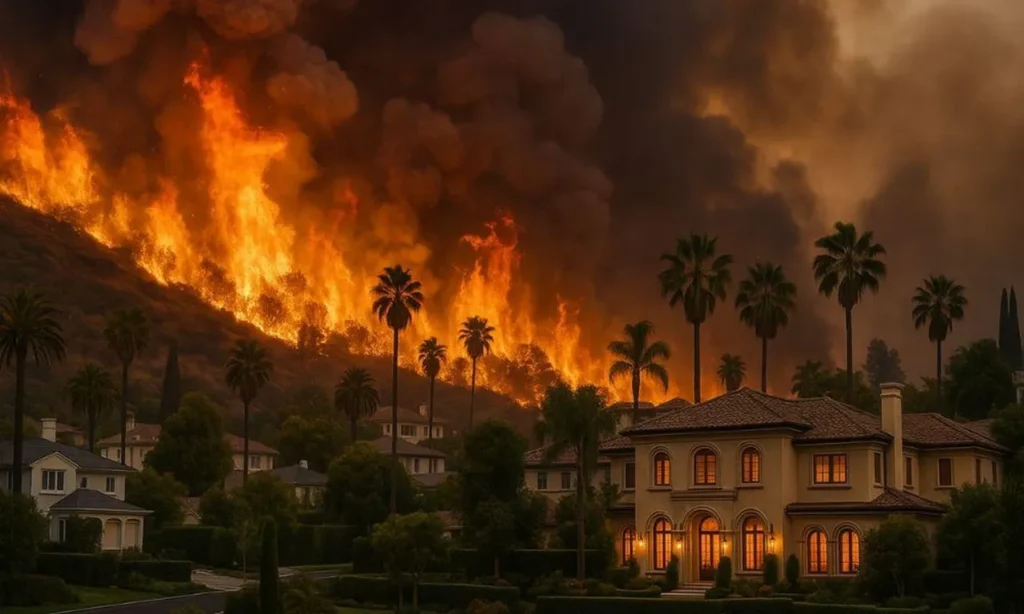
Filing successful claims under fire-prone home insurance coverage requires prompt communication with insurers, accurate damage documentation, photographs, repair estimates, and detailed inventories of affected belongings. Insurance adjusters inspect property damage before approving covered losses according to policy terms. Organized documentation speeds claims processing while reducing unnecessary disputes. Understanding the claims process helps homeowners recover more efficiently after devastating wildfire events while maximizing available insurance benefits.
Avoiding Common Fire Insurance Buying Mistakes Successfully Today
Many homeowners purchasing fire-prone home insurance coverage focus only on premium prices while overlooking rebuilding limits, wildfire exclusions, deductibles, personal property protection, additional living expenses, and insurer reputation. These oversights may create serious financial challenges after covered disasters. Comparing complete policy features instead of cost alone helps consumers secure dependable financial protection while maximizing long-term insurance value, property security, and peace of mind.
Smoke Damage Coverage Beyond Direct Fire Losses Explained
Comprehensive fire-prone home insurance coverage often protects homeowners against smoke damage even when flames never directly reach the property. Smoke can permanently damage furniture, electronics, clothing, flooring, walls, and ventilation systems while creating expensive restoration needs. Professional cleaning and deodorization services may also qualify for reimbursement under covered claims. Understanding smoke damage protection helps homeowners compare insurance policies carefully while securing comprehensive financial protection that extends beyond visible structural fire damage.
Wildfire Evacuation Expenses Covered By Home Insurance Policies
Many fire-prone home insurance coverage policies include reimbursement for evacuation-related expenses when government authorities issue mandatory wildfire evacuation orders. Covered costs may include hotel accommodations, meals, transportation, pet boarding, and temporary housing during emergency situations. These benefits reduce financial stress while families remain displaced because of dangerous wildfire conditions. Understanding evacuation coverage allows homeowners to prepare confidently while selecting insurance that provides dependable financial assistance during emergency wildfire events.
Comparing Replacement Cost And Actual Cash Value Coverage
Homeowners comparing fire-prone home insurance coverage should carefully understand the difference between replacement cost and actual cash value protection. Replacement cost coverage pays to rebuild or replace damaged property without deducting depreciation, while actual cash value policies reduce claim payments according to age and wear. Replacement cost generally provides stronger financial protection after major wildfire losses. Understanding these valuation methods helps homeowners choose policies that better protect long-term property investments.
Fire Resistant Home Improvements Lowering Insurance Premiums Significantly
Investing in fire-resistant improvements often helps homeowners qualify for better fire-prone home insurance coverage pricing. Installing Class A fire-rated roofing, ember-resistant vents, noncombustible siding, fire-resistant windows, sprinkler systems, and ignition-resistant landscaping reduces wildfire vulnerability. Many insurers reward these improvements with lower premiums or expanded coverage options. Understanding available mitigation opportunities encourages proactive home upgrades while strengthening insurance eligibility and long-term financial protection against wildfire risks.
Understanding Roof Condition Impact On Insurance Eligibility Decisions
Roof condition plays a significant role when insurers evaluate fire-prone home insurance coverage applications. Older wood-shake roofs or damaged roofing materials increase wildfire exposure and may result in higher premiums or limited coverage availability. Modern fire-resistant roofing materials improve property safety and insurance eligibility. Understanding roof inspection requirements encourages homeowners to maintain roofing systems properly while maximizing insurance opportunities and protecting valuable residential investments from fire-related losses.
Home Inspections Required Before Fire Insurance Policy Approval
Many insurers offering fire-prone home insurance coverage require property inspections before issuing policies for homes located in wildfire-prone regions. Inspectors evaluate roofing materials, defensible space, vegetation management, electrical systems, structural conditions, and nearby fire hazards. Positive inspection results often improve underwriting decisions and premium opportunities. Understanding inspection requirements helps homeowners prepare properties effectively while increasing approval chances and securing comprehensive fire insurance protection.
Emergency Preparedness Supporting Better Wildfire Insurance Protection Plans
Emergency preparedness complements fire-prone home insurance coverage by helping homeowners respond quickly during wildfire emergencies. Creating evacuation plans, maintaining emergency supply kits, safeguarding important documents, installing smoke detectors, and preparing communication strategies improve family safety during disasters. Prepared households often recover more efficiently after fire events. Understanding emergency planning supports responsible property ownership while maximizing insurance protection and reducing wildfire-related financial losses.
Comparing Private Insurers And State Insurance Programs Carefully
Some homeowners unable to obtain traditional fire-prone home insurance coverage may qualify for state-sponsored insurance programs or FAIR Plan policies designed for high-risk properties. Compare both options carefully before making a decision.
- Private insurers often provide broader coverage and optional endorsements.
- FAIR Plan policies serve as a safety net for homeowners with limited insurance options.
- Coverage limits and policy benefits vary between private insurers and state-sponsored programs.
- Premium costs may differ depending on wildfire risk, location, and property condition.
- Comparing both alternatives helps homeowners identify the most suitable financial protection.
- Review policy exclusions, deductibles, and endorsements before purchasing coverage.
- Maintaining continuous insurance coverage protects homeowners from wildfire-related financial losses and strengthens long-term financial security.
Home Inventory Documentation Strengthening Future Insurance Claims Successfully
Creating a detailed inventory significantly improves claims filed under fire-prone home insurance coverage after wildfire losses. Homeowners should photograph valuable belongings, record serial numbers, maintain purchase receipts, and store digital copies securely outside the home. Accurate documentation simplifies claims processing while supporting fair reimbursement for damaged personal property. Understanding inventory preparation helps families recover more efficiently while maximizing available insurance benefits following major fire disasters.
Landscaping Practices Reducing Wildfire Risks Around Residential Properties
Proper landscaping enhances fire-prone home insurance coverage by lowering wildfire exposure around residential structures. Removing dead vegetation, spacing trees appropriately, planting fire-resistant vegetation, trimming branches, and maintaining irrigation systems reduce ignition opportunities. Many insurers encourage wildfire-resistant landscaping because it lowers potential claim severity. Understanding defensible landscaping strategies helps homeowners improve property safety while strengthening insurance eligibility and protecting valuable homes from fire damage.
Technology Improving Modern Fire Insurance Customer Experiences Today
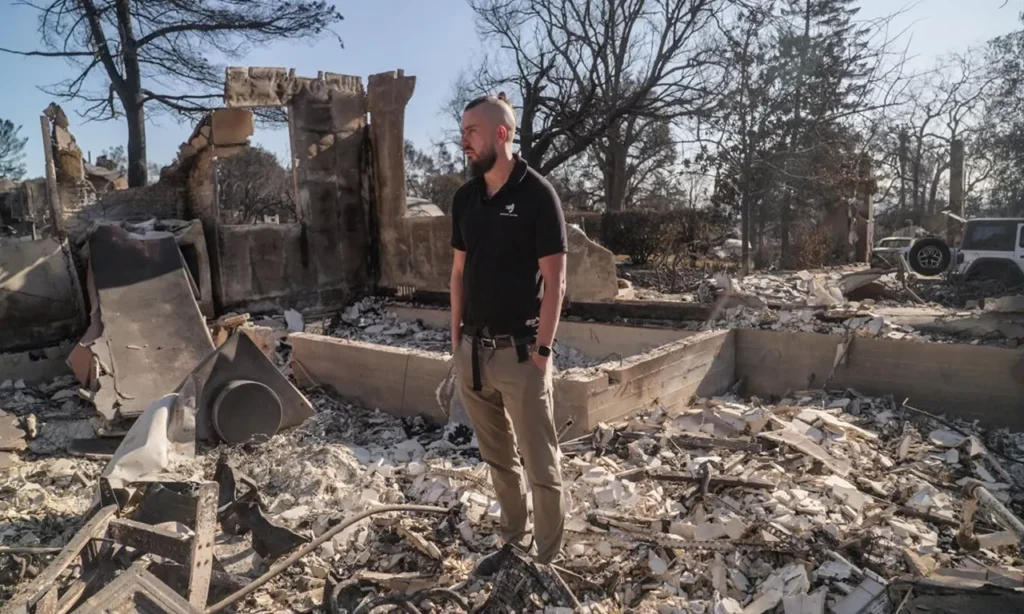
Technology continues transforming fire-prone home insurance coverage through online policy management, satellite wildfire monitoring, digital inspections, electronic claims processing, artificial intelligence underwriting, and mobile customer applications. Homeowners benefit from faster claims, simplified documentation, and real-time communication with insurance providers. Understanding technological advancements allows consumers to manage policies more efficiently while receiving dependable support during wildfire emergencies and property recovery efforts.
Future Trends Transforming Wildfire Insurance Industry Solutions Rapidly
The future of fire-prone home insurance coverage continues evolving through predictive wildfire modeling, climate risk analysis, artificial intelligence underwriting, satellite imaging, and personalized wildfire mitigation incentives. Insurance companies increasingly rely on advanced technology to evaluate wildfire exposure more accurately while rewarding homeowners who reduce property risks. Understanding future industry trends helps consumers prepare for changing insurance markets while maximizing long-term property protection and financial security.
Choosing Financially Strong Fire Insurance Companies With Confidence
Selecting financially stable insurers remains essential when purchasing fire-prone home insurance coverage. Homeowners should compare financial ratings, customer satisfaction, claims payment records, underwriting expertise, wildfire experience, and policy flexibility before enrolling. Financially strong insurance companies consistently honor covered claims while providing dependable customer service during major disasters. Understanding insurer strength improves purchasing confidence while ensuring reliable financial protection whenever wildfire losses occur.
Managing Property Risks Through Preventive Fire Safety Measures
Preventive safety measures strengthen fire-prone home insurance coverage by reducing the likelihood of severe wildfire damage. Installing smoke detectors, maintaining fire extinguishers, cleaning chimneys, inspecting electrical systems, and removing combustible debris improve overall property safety. Many insurers encourage proactive fire prevention because it lowers long-term insurance risks. Understanding preventive safety strategies helps homeowners protect valuable assets while improving insurance eligibility and minimizing future financial losses.
Understanding Optional Endorsements Expanding Fire Insurance Protection Benefits
Many fire-prone home insurance coverage policies offer endorsements that broaden protection beyond standard policy limits. Optional enhancements may include ordinance coverage, debris removal, landscaping restoration, identity theft protection, equipment breakdown coverage, and higher personal property limits. Choosing appropriate endorsements strengthens financial security after major wildfire losses. Understanding available policy enhancements helps homeowners customize insurance according to property characteristics and personal financial needs.
Reviewing Fire Insurance Policies Before Annual Renewal Periods Carefully
Homeowners should review fire-prone home insurance coverage annually to confirm policy limits remain adequate for current rebuilding costs, property improvements, and inflation. Regular reviews also allow consumers to compare competing insurers offering better premiums or expanded coverage options. Updating policies before renewal ensures continuous protection without unnecessary coverage gaps. Understanding the value of annual insurance reviews strengthens long-term financial planning while maximizing property protection.
Avoiding Common Fire Insurance Buying Mistakes Successfully Today
Many homeowners purchasing fire-prone home insurance coverage compare only premium prices while overlooking rebuilding limits, replacement cost protection, wildfire endorsements, deductibles, policy exclusions, and insurer claims performance. These oversights may create significant financial challenges after devastating fires. Comparing complete policy features instead of cost alone helps consumers secure dependable property protection while maximizing long-term insurance value and financial peace of mind.
Preparing Important Documents Before Filing Fire Insurance Claims Carefully
Organizing important records before disasters strengthens claims submitted under fire-prone home insurance coverage. Homeowners should safely store insurance policies, home inventories, property deeds, mortgage information, receipts, repair estimates, and identification documents in secure digital and physical locations. Proper documentation simplifies claims processing while reducing delays after wildfire losses. Understanding document preparation helps families recover more efficiently and receive insurance benefits faster.
Building Long-Term Financial Security Through Fire Insurance Planning
Reliable fire-prone home insurance coverage protects homeowners from devastating financial losses by covering rebuilding expenses, personal property replacement, temporary housing, and liability obligations after covered fire events. Comprehensive insurance preserves household savings while reducing financial uncertainty following disasters. Understanding fire insurance as an essential financial planning tool encourages responsible preparation while strengthening long-term property ownership and family financial security.
Choosing Fire-Prone Home Insurance Coverage With Complete Confidence Always
Selecting the right fire-prone home insurance coverage requires comparing dwelling limits, replacement cost options, deductibles, wildfire protection, insurer reputation, customer satisfaction, financial strength, and optional endorsements carefully. Homeowners who research multiple providers generally secure stronger property protection while controlling long-term insurance costs. Smart comparison shopping safeguards valuable investments, supports faster recovery after disasters, and provides lasting confidence against future wildfire risks and unexpected property losses.
Understanding Policy Exclusions Before Purchasing Coverage Carefully
Every fire-prone home insurance coverage policy contains exclusions and conditions that determine when insurance benefits apply. Common exclusions may involve intentional property damage, neglected maintenance, certain earth movements following fires, or losses specifically excluded by policy language. Carefully reviewing every exclusion before purchasing coverage helps homeowners avoid unexpected claim disputes after a wildfire or house fire. Understanding policy exclusions allows consumers to compare insurers more effectively while selecting dependable protection that provides greater financial confidence during future fire-related emergencies.
Comparing Private And FAIR Plan Insurance Options Carefully
Homeowners unable to qualify for traditional fire-prone home insurance coverage may consider FAIR Plan policies or other state-supported insurance programs available in high-risk wildfire regions. While private insurers often provide broader protection and optional endorsements, FAIR Plans offer basic property coverage for homes with limited insurance availability. Comparing both options helps homeowners identify appropriate financial protection. Understanding these insurance alternatives supports informed purchasing decisions while maintaining continuous coverage despite elevated wildfire exposure and underwriting challenges.
Managing Insurance Costs Through Wildfire Prevention Improvements Successfully
Proactive wildfire prevention efforts can reduce long-term expenses associated with fire-prone home insurance coverage. Installing fire-resistant roofing, clearing vegetation, upgrading windows, improving landscaping, and maintaining defensible space demonstrate responsible property ownership. Many insurers reward these improvements through underwriting flexibility or premium savings opportunities. Understanding wildfire mitigation strategies encourages homeowners to invest in preventive measures while strengthening property protection, improving insurance eligibility, and reducing future financial risks from wildfire disasters.
Benefits Of Reviewing Coverage Before Wildfire Seasons Begin
Reviewing fire-prone home insurance coverage before wildfire season begins helps homeowners verify rebuilding limits, deductibles, endorsements, personal property protection, and additional living expense benefits. Annual reviews also provide opportunities to update policies after renovations or property improvements. Preparing before wildfire threats increase reduces the risk of coverage gaps during emergencies. Understanding the value of seasonal insurance reviews strengthens disaster preparedness while ensuring dependable financial protection when wildfire conditions become more severe.
Reviewing Property Values After Major Home Improvement Projects Carefully
Home renovations may significantly increase rebuilding costs, making regular reviews of fire-prone home insurance coverage essential after major improvement projects. Kitchen remodels, room additions, roof replacements, solar installations, and structural upgrades often require updated coverage limits. Failing to increase policy limits may result in inadequate claim payments following fire losses. Understanding the importance of updating insurance after renovations helps homeowners maintain sufficient financial protection while preserving valuable residential investments.
Technology Advancing Wildfire Risk Assessment And Insurance Services
Modern technology continues improving fire-prone home insurance coverage through satellite imagery, artificial intelligence underwriting, digital inspections, drone property assessments, mobile claims reporting, and real-time wildfire monitoring. These innovations allow insurers to evaluate wildfire exposure more accurately while improving customer experiences and accelerating claims processing. Understanding technological advancements helps homeowners manage insurance more efficiently while benefiting from faster service, improved communication, and stronger disaster response during wildfire emergencies.

Future Innovations Improving Fire Insurance Coverage Opportunities Ahead
The future of fire-prone home insurance coverage continues evolving through climate modeling, predictive wildfire analytics, advanced building materials, personalized underwriting, and smart home monitoring technologies. Insurance companies increasingly encourage proactive wildfire mitigation by offering incentives for homeowners who reduce property risks. Understanding future insurance developments helps consumers prepare for changing market conditions while maximizing long-term property protection, insurance availability, and financial security despite increasing wildfire threats.
Building Long-Term Financial Security Through Fire Insurance Planning
Reliable fire-prone home insurance coverage protects homeowners against catastrophic financial losses by covering rebuilding costs, personal property replacement, temporary housing expenses, and liability claims after covered fire events. Comprehensive insurance also preserves household savings and protects long-term property investments from unexpected disasters. Understanding fire insurance as an essential financial planning tool encourages responsible preparation while strengthening economic stability, protecting valuable assets, and providing lasting confidence for homeowners living in wildfire-prone communities.
Avoiding Common Fire Insurance Buying Mistakes Successfully Today
Many homeowners comparing fire-prone home insurance coverage focus only on premium prices while overlooking rebuilding limits, replacement cost protection, wildfire endorsements, deductibles, policy exclusions, claims reputation, and financial strength ratings. These mistakes may create substantial out-of-pocket expenses after major fire losses. Comparing complete policy features instead of monthly premiums alone helps consumers make informed insurance decisions while maximizing long-term protection, financial security, and overall policy value.
Choosing Fire-Prone Home Insurance Coverage With Complete Confidence Always
Selecting the right fire-prone home insurance coverage requires carefully comparing dwelling limits, replacement cost options, deductibles, wildfire protection, insurer financial strength, customer satisfaction, claims performance, and available endorsements before purchasing coverage. Homeowners who compare multiple insurance providers generally obtain stronger property protection while controlling long-term insurance expenses. Smart planning and careful policy selection safeguard valuable homes, preserve family finances, improve disaster recovery, and provide lasting peace of mind throughout every wildfire season.
FAQs
What is fire-prone home insurance coverage?
Fire-prone home insurance coverage protects homes located in wildfire-prone or high fire-risk areas against covered fire-related losses.
Does homeowners insurance cover wildfire damage?
Most homeowners policies cover wildfire damage, but coverage limits and exclusions vary by insurer and location.
What is defensible space?
Defensible space is the cleared area surrounding a home that helps slow wildfire spread and improves property safety.
Can fire-resistant upgrades reduce insurance premiums?
Yes. Many insurers offer better pricing or underwriting opportunities for homes with fire-resistant improvements.
What does additional living expense coverage include?
It helps pay temporary housing, meals, transportation, and other necessary living expenses while your home is being repaired.
Should I choose replacement cost coverage?
Replacement cost coverage generally provides stronger financial protection because it pays to rebuild without deducting depreciation.
Why should I compare multiple fire insurance companies?
Comparing insurers helps you find better premiums, stronger wildfire protection, higher coverage limits, and better customer service.
Conclusion
Fire-prone home insurance coverage provides essential financial protection for homeowners living in areas vulnerable to wildfires and other fire-related disasters. By comparing dwelling coverage, replacement cost protection, deductibles, personal property limits, wildfire endorsements, and insurer reputation, homeowners can secure dependable insurance that safeguards valuable property and long-term financial stability. Investing in fire-resistant improvements and reviewing policies regularly further strengthens protection while improving insurance opportunities. Careful planning, proactive wildfire prevention, and informed insurance decisions help families recover more quickly after disasters, preserve valuable assets, and maintain lasting peace of mind throughout every wildfire season.