
Introduction
Vocational rehabilitation lawyer services can become essential when workplace injuries, disabilities, or medical conditions suddenly affect your ability to return to work. Have you been denied vocational rehabilitation benefits or struggled to understand your legal rights after an injury? Many workers feel overwhelmed trying to recover physically while also facing financial pressure and career uncertainty. Unlike basic workplace claims, vocational rehabilitation often involves job retraining, disability support, workers’ compensation rules, and legal disputes. An experienced vocational rehabilitation lawyer helps injured employees understand benefit rights, challenge denials, and improve opportunities for career recovery. Acting quickly often protects benefits and strengthens legal outcomes significantly.
What Is a Vocational Rehabilitation Lawyer?
A vocational rehabilitation lawyer is a legal professional who helps injured workers, disabled employees, and individuals facing career limitations access rehabilitation benefits and workplace support legally. These attorneys understand disability law, workers’ compensation claims, vocational retraining programs, and employment protections deeply. Imagine suffering a workplace injury that prevents returning to your previous job completely. Legal guidance often helps workers secure retraining opportunities, income protection, and stronger career recovery plans while reducing stress during difficult transitions.
Why Workers Need Vocational Rehabilitation Help
Many workers suddenly struggle financially and emotionally after injuries affect job performance or career stability. A vocational rehabilitation lawyer helps injured employees understand whether retraining programs, workplace accommodations, or disability benefits apply to their situation. Imagine recovering physically but realizing previous job duties are no longer possible safely. Understanding vocational support helps workers rebuild confidence, explore new employment paths, and avoid unnecessary financial hardship during stressful recovery periods affecting careers and daily life.
Common Signs You Need Legal Help
Many employees delay seeking legal guidance even when denied rehabilitation benefits or unfair workplace treatment creates serious problems. A vocational rehabilitation lawyer becomes important when retraining programs get denied, employers refuse accommodations, or disability support feels unfairly limited. Imagine losing work opportunities while receiving confusing benefit decisions unexpectedly. Recognizing warning signs early often helps workers organize stronger evidence, understand legal protections, and improve rehabilitation outcomes before financial stress becomes overwhelming.
When To Contact a Vocational Rehabilitation Lawyer
If rehabilitation benefits become delayed, denied, or workplace accommodations feel unfairly refused, contacting a vocational rehabilitation lawyer quickly becomes important. Many injured workers wait too long, hoping employers or insurers resolve issues automatically. Unfortunately, delays often weaken evidence and legal opportunities significantly. Imagine needing career retraining while financial responsibilities continue increasing unexpectedly. Early legal support often strengthens rehabilitation claims, protects employee rights, and improves access to workplace recovery benefits during stressful transitions.
Understanding Vocational Rehabilitation Programs
Vocational rehabilitation programs help injured or disabled workers gain job training, education, workplace accommodations, and career support after injuries affect employment ability. A vocational rehabilitation lawyer explains eligibility rules, benefit programs, and legal protections available during career recovery. Many workers feel confused because program requirements often seem overwhelming at first. Understanding rehabilitation programs helps employees feel more prepared and improves opportunities for financial recovery and successful career transitions after injuries occur.
How Rehabilitation Laws Protect Workers
Workplace rehabilitation laws protect injured employees by offering career retraining, disability support, and fair opportunities for employment recovery. A vocational rehabilitation lawyer helps workers understand whether employers, insurers, or state programs failed to provide legally required assistance. Imagine suffering a permanent injury while employers refuse reasonable accommodations completely. Understanding rehabilitation protections helps injured workers recognize unfair treatment and encourages stronger legal action supporting career recovery and long term financial stability.
Difference Between Rehabilitation and Disability Benefits
Many employees confuse vocational rehabilitation with disability benefits after workplace injuries affect careers unexpectedly. A vocational rehabilitation lawyer explains that disability benefits replace lost income, while rehabilitation programs help injured employees return to suitable work through training and career support. Think of rehabilitation like rebuilding a career path after unexpected setbacks happen. Understanding the difference helps workers choose better legal strategies and improve long term employment opportunities during recovery.
Most Common Vocational Rehabilitation Problems
Vocational rehabilitation disputes often involve denied training programs, delayed approvals, employer disagreements, unfair evaluations, or limited workplace accommodations. A vocational rehabilitation lawyer reviews denied services carefully to determine whether workers received fair treatment legally. Imagine being medically unable to continue previous work while rehabilitation support gets delayed unexpectedly. Understanding common problems helps injured workers prepare stronger claims and improve career recovery opportunities after accidents or health related workplace challenges.
How Insurance Companies Affect Rehabilitation Claims
Insurance companies sometimes create problems by limiting rehabilitation support, denying retraining requests, or questioning disability severity unfairly. A vocational rehabilitation lawyer helps workers challenge unfair insurance decisions affecting career recovery opportunities. Think of denied rehabilitation support like blocked opportunities during already difficult recovery periods. Understanding insurer tactics often helps injured workers prepare stronger evidence, avoid unnecessary delays, and improve access to retraining or workplace accommodation benefits successfully.
What To Do After a Rehabilitation Denial
After receiving a vocational rehabilitation denial, workers should gather medical records, review legal notices, document employment concerns, and seek legal guidance quickly. A vocational rehabilitation lawyer often helps injured employees identify weaknesses affecting denied claims and strengthen legal appeals effectively. Many workers mistakenly stop pursuing benefits after receiving rejection letters unexpectedly. Acting quickly often protects deadlines, improves claim quality, and strengthens opportunities for retraining support and financial recovery.
How Medical Evidence Strengthens Rehabilitation Cases
Strong medical evidence often determines whether vocational rehabilitation claims succeed or fail. A vocational rehabilitation lawyer reviews treatment records, doctor opinions, work restrictions, and rehabilitation reports carefully. Imagine recovering from injuries while employers question whether returning to work remains possible safely. Detailed medical proof often strengthens legal claims significantly and improves rehabilitation approval chances. Organized evidence frequently protects injured workers from unfair benefit denials and workplace disputes during recovery.
Choosing the Right Vocational Rehabilitation Lawyer
Choosing the right vocational rehabilitation lawyer can greatly affect career recovery and financial stability after workplace injuries happen. Not every attorney understands disability programs, rehabilitation benefits, or employment retraining laws deeply. Employees should look for lawyers experienced in denied claims, workplace accommodations, and career recovery disputes. Similar to trusting a specialist during serious medical treatment, skilled legal guidance often improves rehabilitation outcomes and strengthens worker confidence significantly.

Questions To Ask Before Hiring an Attorney
Before hiring legal support, workers should ask about rehabilitation experience, benefit disputes, legal fees, and communication style carefully. A trusted vocational rehabilitation lawyer explains risks honestly and avoids unrealistic promises about guaranteed outcomes. Asking how similar denied rehabilitation cases were handled often reveals important legal expertise. Strong communication matters because workplace injuries frequently create emotional pressure and financial stress. Thoughtful questions often help injured employees choose better legal representation confidently.
How Vocational Rehabilitation Lawyers Investigate Cases
A professional vocational rehabilitation lawyer investigates medical restrictions, employment history, denied benefits, insurer communication, and workplace accommodations carefully before taking legal action. Attorneys often identify missing evidence or unfair evaluations affecting rehabilitation approval unfairly. Think of investigations like rebuilding missing parts of a damaged career path. Careful preparation often strengthens claims, improves retraining opportunities, and increases rehabilitation success for injured workers facing financial and emotional uncertainty.
Vocational Rehabilitation Settlements Explained
Many rehabilitation disputes resolve through settlements rather than lengthy legal proceedings or formal hearings. A vocational rehabilitation lawyer negotiates agreements involving retraining support, financial compensation, disability accommodations, or career transition services. Settlement outcomes often depend on medical proof, employment limitations, and legal preparation quality. Imagine rebuilding your career without months of unnecessary legal stress continuing unexpectedly. Skilled negotiation frequently improves recovery opportunities while reducing financial pressure during workplace rehabilitation challenges.
Can You Appeal a Rehabilitation Denial?
Yes, employees often have legal rights allowing appeals after denied vocational rehabilitation benefits affect career recovery unexpectedly. A vocational rehabilitation lawyer reviews denial reasons carefully and strengthens legal arguments supporting retraining opportunities. Many workers wrongly assume denied benefits permanently end career recovery assistance completely. Imagine losing access to job training simply because paperwork mistakes remained unresolved. Understanding appeal rights often helps workers challenge unfair decisions and improve rehabilitation outcomes successfully.
Vocational Rehabilitation Lawyer Fees and Costs
Many vocational rehabilitation lawyer services charge contingency fees, consultations, or hourly payment structures depending on claim complexity and legal needs. Workers often hesitate because legal expenses feel stressful during recovery periods already affecting finances significantly. However, denied rehabilitation benefits may create larger losses without proper legal support. Understanding legal fees helps employees make informed decisions and reduces financial uncertainty. Skilled legal help often improves rehabilitation opportunities and workplace recovery outcomes.
Understanding Compensation During Rehabilitation
Compensation during vocational rehabilitation may include retraining support, wage replacement, medical assistance, disability benefits, and employment transition help. A vocational rehabilitation lawyer reviews financial losses carefully to strengthen workplace recovery opportunities after denied services occur. Imagine struggling financially while retraining for a completely different career unexpectedly. Understanding compensation options helps workers avoid weak agreements and encourages stronger legal action protecting financial stability during rehabilitation and long term recovery periods.
How Long Rehabilitation Cases Take
Vocational rehabilitation timelines vary depending on injuries, medical evidence, insurer cooperation, retraining programs, and legal preparation quality. A vocational rehabilitation lawyer helps injured workers understand realistic expectations during recovery and legal disputes. Some rehabilitation cases resolve quickly through negotiation, while others require longer appeals or evaluations. Patience often matters because rushed decisions sometimes reduce future career opportunities unfairly. Understanding timelines helps workers prepare financially and emotionally during workplace recovery transitions.
How Insurance Companies Handle Rehabilitation Claims
Insurance companies sometimes limit vocational rehabilitation support by questioning injuries, delaying approvals, or denying retraining programs unfairly. A vocational rehabilitation lawyer helps workers understand insurer tactics and challenge weak claim decisions effectively. Imagine needing career retraining while insurers repeatedly delay approvals without clear reasons. Understanding insurance behavior often strengthens legal preparation and reduces frustration significantly. Skilled legal support frequently improves rehabilitation outcomes and protects workers from unfair benefit denials during stressful recovery periods.
When Vocational Rehabilitation Cases Go to Court
Some vocational rehabilitation disputes resolve peacefully, while others require hearings or court action when insurers or employers refuse fair support. A vocational rehabilitation lawyer prepares medical evidence, employment records, witness statements, and legal arguments carefully before hearings begin. Think of court like a final opportunity to challenge unfair rehabilitation denials successfully. Strong preparation often improves legal outcomes significantly and encourages insurers to negotiate more fairly before formal judgments become necessary.
The Role of Witness Statements in Rehabilitation Cases
Witness testimony sometimes strengthens vocational rehabilitation claims, especially when workplace injuries or employer disputes affect benefit decisions unfairly. A vocational rehabilitation lawyer gathers statements from coworkers, supervisors, vocational experts, or healthcare providers supporting career recovery needs. Imagine managers confirming physical work limitations while insurers continue denying retraining benefits unfairly. Reliable testimony often strengthens legal credibility and improves rehabilitation outcomes significantly. Strong witness evidence frequently supports injured workers during stressful workplace recovery situations.
Can Workers Recover Lost Income Through Rehabilitation?
Injured workers often recover financial support through vocational rehabilitation programs helping replace lost earning opportunities. A vocational rehabilitation lawyer reviews wage loss, career limitations, and retraining opportunities carefully during legal preparation. Imagine losing income unexpectedly because injuries prevent returning to physically demanding work safely. Understanding income recovery options helps workers rebuild financial confidence and encourages stronger rehabilitation efforts supporting long term employment and financial stability during career transitions.
Understanding Wrongful Rehabilitation Denials
Wrongful denials happen when workers legally qualify for rehabilitation support but insurers or employers reject benefits unfairly. A vocational rehabilitation lawyer reviews denied services carefully to identify legal violations affecting career recovery opportunities. Imagine doctors recommending retraining while insurers wrongly refuse workplace recovery assistance completely. Understanding wrongful denials helps injured employees challenge unfair decisions and strengthen claims supporting job training, disability accommodations, and long term financial protection after workplace injuries.

Why Timing Matters in Rehabilitation Claims
Timing often determines whether injured workers successfully protect rehabilitation opportunities after workplace injuries happen. A vocational rehabilitation lawyer encourages fast action because delays sometimes weaken medical evidence or reduce legal options unfairly. Waiting too long may create unnecessary financial pressure during already stressful recovery periods. Think of rehabilitation like rebuilding career stability before opportunities disappear permanently. Early legal action often strengthens claims and improves workplace recovery outcomes significantly.
Vocational Rehabilitation Lawyer vs Disability Lawyer
Many workers wonder whether they need a disability attorney or a vocational rehabilitation lawyer after workplace injuries affect careers. While disability lawyers often focus on income replacement benefits, rehabilitation attorneys concentrate on retraining programs, employment support, and career rebuilding opportunities. Think of legal specialization like choosing physical therapy instead of only pain treatment during recovery. Understanding legal differences helps injured workers choose stronger representation supporting long term employment recovery successfully.
How Workplace Policies Affect Rehabilitation Claims
Workplace policies sometimes influence rehabilitation cases, especially when employers dispute accommodations or retraining eligibility unfairly. A vocational rehabilitation lawyer reviews employer rules, safety policies, and workplace communication carefully during legal preparation. Imagine employers claiming suitable accommodations exist despite medical restrictions clearly proving otherwise. Understanding workplace policies often strengthens legal strategies and improves rehabilitation opportunities significantly. Careful preparation frequently protects injured workers from unfair employment decisions affecting long term recovery.
Emotional Stress During Rehabilitation Recovery
Career uncertainty often creates emotional exhaustion because injuries affect confidence, finances, and future employment opportunities simultaneously. A vocational rehabilitation lawyer helps workers reduce stress by managing legal concerns and protecting rehabilitation rights professionally. Imagine recovering physically while constantly worrying about financial survival unexpectedly. Emotional support through legal guidance often improves confidence during difficult transitions. Understanding legal rights helps workers feel more secure while rebuilding careers after injuries affect workplace performance.
How Vocational Rehabilitation Lawyers Negotiate Settlements
Settlement negotiations often determine whether injured employees receive meaningful rehabilitation support after denied benefits occur. A vocational rehabilitation lawyer negotiates with insurers and employers while reviewing medical restrictions, retraining costs, and financial losses carefully. Insurance companies sometimes offer weak settlements hoping workers feel pressured financially. Skilled legal negotiation frequently improves career recovery outcomes significantly. Effective representation often protects injured workers from unfair agreements limiting future employment opportunities unnecessarily.
What Happens During a Legal Consultation
A consultation helps workers understand denied rehabilitation claims, legal rights, deadlines, and career recovery opportunities clearly. A vocational rehabilitation lawyer reviews medical records, employment concerns, insurer decisions, and legal risks carefully during meetings. Think of consultations like building a roadmap toward stronger workplace recovery and financial stability. Honest discussions often reveal legal opportunities workers overlooked previously. Early legal guidance frequently improves rehabilitation outcomes and strengthens long term career planning.
Can Small Employers Affect Rehabilitation Outcomes?
Even smaller employers sometimes influence vocational rehabilitation disputes through workplace reports, accommodation policies, or injury documentation concerns. A vocational rehabilitation lawyer reviews employer involvement carefully when denied rehabilitation affects recovery opportunities unfairly. Imagine small business employers refusing modified work despite medical recommendations supporting lighter duties clearly. Understanding employer influence often strengthens rehabilitation claims and improves legal preparation. Strong evidence frequently helps workers challenge unfair workplace decisions affecting career rebuilding opportunities.
How Employers Defend Against Rehabilitation Claims
Employers sometimes defend against rehabilitation disputes by questioning injuries, disputing limitations, or claiming suitable work remains available unfairly. A vocational rehabilitation lawyer reviews employer arguments carefully and strengthens legal evidence challenging weak defenses effectively. Imagine employers ignoring medical restrictions while expecting employees to return to unsafe duties unexpectedly. Strong legal preparation often exposes inconsistencies and improves rehabilitation opportunities significantly. Understanding employer tactics helps injured workers prepare stronger workplace recovery claims.
Long Term Effects of Denied Rehabilitation Support
Denied vocational rehabilitation sometimes creates lasting financial pressure, career instability, and emotional stress affecting recovery negatively. A vocational rehabilitation lawyer considers future employment challenges, retraining costs, and disability concerns carefully during legal preparation. Imagine losing future job opportunities because denied benefits prevented career retraining completely. Understanding long term consequences helps workers pursue stronger legal action protecting financial stability and future employment after injuries affect workplace performance significantly.
Why Experience Matters in Rehabilitation Cases
Experience matters greatly during rehabilitation disputes because denied claims often involve medical restrictions, employment laws, and insurer negotiations. An experienced vocational rehabilitation lawyer understands workplace recovery rules, retraining programs, and legal protections deeply. Similar to trusting an experienced doctor during recovery, skilled legal guidance often improves confidence and career rebuilding outcomes significantly. Choosing experienced representation frequently strengthens rehabilitation opportunities while reducing mistakes during stressful workplace transitions.
Vocational Rehabilitation Success Stories
Many injured workers successfully rebuild careers after receiving proper legal support and rehabilitation guidance. A vocational rehabilitation lawyer often helps employees secure retraining benefits, workplace accommodations, and financial support after denied claims occur. For example, workers unable to return to physical labor sometimes transition into safer careers successfully through rehabilitation programs. Real success stories often encourage injured workers not to lose hope completely. Positive outcomes frequently prove career recovery remains possible.
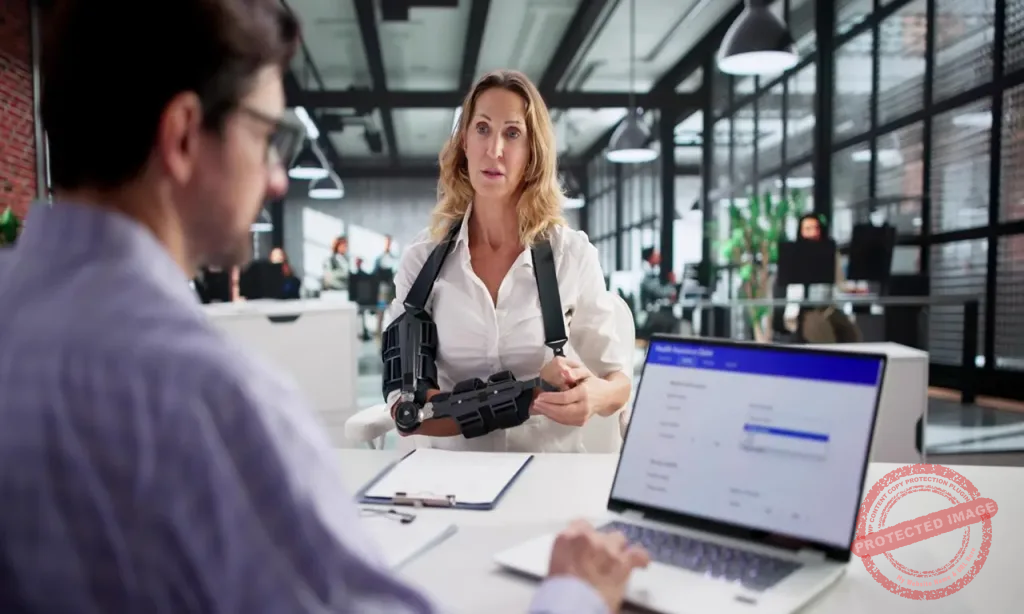
Common Rehabilitation Mistakes to Avoid
Simple mistakes often weaken vocational rehabilitation claims significantly. A vocational rehabilitation lawyer frequently warns workers against missing deadlines, ignoring medical advice, or accepting denied benefits without challenge. Imagine losing retraining opportunities because paperwork remained incomplete unexpectedly. Avoiding common mistakes often strengthens legal preparation and improves career recovery opportunities significantly. Careful planning frequently helps workers protect rehabilitation rights while reducing financial stress during workplace injury recovery periods.
How Family Support Helps During Rehabilitation
Family support often plays a major role during vocational rehabilitation because injuries affect emotional health, finances, and confidence simultaneously. A vocational rehabilitation lawyer encourages workers to communicate openly with supportive relatives during stressful career transitions. Imagine rebuilding a career while family members provide encouragement and practical support carefully. Emotional support frequently improves motivation during recovery periods significantly. Strong family involvement often helps injured workers stay focused throughout difficult rehabilitation challenges.
How Vocational Experts Influence Rehabilitation Cases
Vocational experts often strengthen rehabilitation claims by evaluating work limitations, career options, and retraining opportunities professionally. A vocational rehabilitation lawyer works closely with experts supporting stronger legal arguments affecting denied benefits. Imagine specialists proving injuries permanently limit previous work duties unexpectedly. Professional evaluations often improve claim credibility and rehabilitation success significantly. Understanding expert involvement helps workers prepare stronger recovery strategies protecting long term career opportunities and financial stability.
Final Steps Before Filing a Rehabilitation Claim
Before filing vocational rehabilitation claims, workers should gather medical records, employment history, insurer communication, and rehabilitation documents carefully. A vocational rehabilitation lawyer helps review evidence and organize stronger legal strategies before formal action begins. Think of preparation like building a stable foundation before starting career recovery again. Careful planning often strengthens rehabilitation opportunities, reduces delays, and improves workplace recovery outcomes significantly. Good preparation frequently protects workers from avoidable legal mistakes.
Future Legal Changes in Vocational Rehabilitation
Vocational rehabilitation laws continue changing as workplace protections, disability rights, and retraining programs evolve. A vocational rehabilitation lawyer stays informed about legal updates affecting career recovery, workplace accommodations, denied benefits, and employee protections. Imagine relying on outdated legal information while stronger rehabilitation opportunities become available unexpectedly. Understanding future legal changes helps injured workers prepare better and avoid costly mistakes. Staying informed often improves rehabilitation outcomes, strengthens workplace recovery opportunities, and protects long term career stability.
How Technology Is Changing Vocational Rehabilitation
Technology increasingly improves vocational rehabilitation through online training programs, virtual career counseling, digital medical records, and remote legal support. A vocational rehabilitation lawyer often uses technology to improve communication and strengthen rehabilitation claims efficiently. Imagine learning new career skills online instead of delaying recovery unnecessarily. Technology often reduces delays and improves retraining access significantly. Understanding digital rehabilitation tools helps workers rebuild careers faster while protecting employment opportunities and financial stability during recovery.
Expert Advice for Protecting Rehabilitation Rights
Protecting rehabilitation rights begins with early legal action, strong documentation, and careful medical follow up after injuries happen. A vocational rehabilitation lawyer often recommends keeping treatment records, documenting work restrictions, and avoiding missed deadlines. Think of rehabilitation like rebuilding career confidence step by step after unexpected setbacks occur. Early preparation often strengthens legal claims and improves retraining opportunities significantly. Understanding rehabilitation rights helps workers avoid unnecessary mistakes and improve long term workplace recovery outcomes.
Mistakes Workers Should Avoid During Rehabilitation
Many workers unintentionally weaken rehabilitation claims by missing deadlines, ignoring medical advice, or accepting denied services without challenge. A vocational rehabilitation lawyer frequently warns against rushed decisions made without legal guidance. Imagine losing career retraining opportunities because paperwork remained incomplete unexpectedly. Avoiding common mistakes often improves rehabilitation outcomes and protects financial recovery significantly. Careful planning frequently helps workers strengthen legal claims while rebuilding careers after injuries affect workplace performance unexpectedly.
Why Legal Support Matters in Rehabilitation Cases
Vocational rehabilitation often feels overwhelming because workplace injuries, financial stress, and career uncertainty happen simultaneously. A vocational rehabilitation lawyer provides legal support, stronger claim strategies, and protection during difficult career recovery periods. Injured workers frequently feel confused when denied retraining opportunities affect financial stability unexpectedly. Professional legal guidance often improves confidence, strengthens rehabilitation claims, and increases workplace recovery opportunities significantly. Understanding legal support early may become the difference between denied benefits and successful career rebuilding.
FAQs
What does a vocational rehabilitation lawyer do?
A vocational rehabilitation lawyer helps injured or disabled workers secure rehabilitation benefits, retraining programs, workplace accommodations, and legal support after injuries affect employment opportunities.
When should I hire a vocational rehabilitation lawyer?
You should contact a vocational rehabilitation lawyer immediately if rehabilitation benefits get denied, delayed, or workplace accommodations feel unfairly refused after injuries.
Can I appeal a denied vocational rehabilitation claim?
Yes, workers often have legal rights allowing appeals after denied rehabilitation services. A vocational rehabilitation lawyer helps strengthen claims and improve retraining opportunities.
How much does a vocational rehabilitation lawyer cost?
Many vocational rehabilitation lawyer services charge consultations, contingency fees, or hourly rates depending on rehabilitation claim complexity and legal needs.
What benefits are included in vocational rehabilitation?
Vocational rehabilitation may include job retraining, wage support, workplace accommodations, disability assistance, career counseling, and employment transition services.
How long do vocational rehabilitation claims take?
Claim timelines vary depending on medical evidence, employer cooperation, insurer decisions, and retraining requirements. Some cases resolve quickly while others take longer.
Can workers recover income during rehabilitation?
Yes, injured employees may recover wage support, disability payments, or rehabilitation compensation during career transitions. A vocational rehabilitation lawyer helps improve benefit opportunities.
Conclusion
Workplace injuries often create uncertainty, financial pressure, and emotional stress, especially when returning to previous employment becomes impossible. Whether rehabilitation benefits were denied, delayed, or unfairly limited, understanding legal rights becomes essential for protecting long term career stability. That is why working with an experienced vocational rehabilitation lawyer often makes a meaningful difference. From reviewing denied claims and securing retraining opportunities to protecting workplace rights and improving financial recovery, legal support helps injured workers rebuild confidence and career opportunities. No worker should feel trapped after injuries disrupt future employment. If career recovery feels uncertain, now may be the right time to speak with a trusted vocational rehabilitation lawyer and protect your future opportunities.