
Introduction
Compassionate allowance attorney services become essential when serious medical conditions create financial stress and urgent disability needs. Are you or a loved one struggling with a severe illness while waiting for disability benefits that feel impossible to secure quickly? Many applicants feel overwhelmed by complicated Social Security rules, medical paperwork, and confusing eligibility requirements during already difficult times. Even small mistakes in applications may delay urgently needed financial support. An experienced compassionate allowance attorney helps applicants understand fast track disability programs, strengthen medical evidence, and improve approval opportunities. Taking legal action early often reduces delays, protects financial stability, and helps families receive critical benefits faster during emotionally challenging situations.
What Is a Compassionate Allowance Attorney?
A compassionate allowance attorney is a legal professional helping individuals with severe medical conditions qualify faster for disability benefits through Compassionate Allowances programs. These attorneys understand medical evidence requirements, Social Security rules, and expedited approval systems carefully. For example, someone diagnosed with terminal cancer may qualify for faster disability support. Professional legal guidance often strengthens financial protection and improves approval opportunities significantly.
Why Compassionate Allowance Benefits Matter
Compassionate allowance benefits matter because people facing severe illnesses often cannot wait years for disability approvals. A compassionate allowance attorney helps applicants understand how fast tracked disability support may improve financial stability and healthcare access quickly. Imagine managing overwhelming medical bills while losing work unexpectedly because of illness. Understanding benefit importance often encourages applicants to protect rights and avoid unnecessary delays later.
Common Compassionate Allowance Problems
Many applicants struggle with confusing paperwork, delayed medical evidence, denied applications, incomplete healthcare records, or misunderstood qualification standards. A compassionate allowance attorney helps identify legal concerns before financial hardship becomes overwhelming. For example, missing diagnostic proof sometimes weakens otherwise strong applications significantly. Understanding common problems often improves preparation and reduces unnecessary emotional stress significantly.
Signs You Need a Compassionate Allowance Attorney
If severe illness limits work ability, disability applications feel confusing, or urgent financial concerns increase, hiring a compassionate allowance attorney becomes important. Delaying legal guidance may reduce fast approval opportunities significantly. Warning signs include denied disability claims, missing healthcare evidence, or uncertainty about qualification requirements. Early legal help often strengthens approval outcomes and improves financial protection significantly.
Understanding Compassionate Allowance Rules
Eligibility rules often depend on medical diagnosis, healthcare documentation, disability severity, and Social Security standards. A compassionate allowance attorney helps applicants understand fast track requirements and legal rights carefully. For example, certain cancers, neurological disorders, and rare diseases often qualify for expedited review. Understanding qualification rules often improves confidence and reduces unnecessary legal confusion significantly.
Who Can Hire a Compassionate Allowance Attorney?
People diagnosed with severe illnesses, terminal diseases, neurological disorders, or rare medical conditions often benefit from legal support. A compassionate allowance attorney helps applicants understand qualification rights regardless of diagnosis complexity. Imagine families struggling financially while caring for loved ones during serious medical emergencies unexpectedly. Understanding who qualifies often improves confidence and strengthens financial recovery opportunities significantly.
Most Common Compassionate Allowance Risks
Approval risks often involve missing medical evidence, inaccurate paperwork, incomplete healthcare records, and misunderstood legal notices. A compassionate allowance attorney helps applicants recognize concerns before problems worsen significantly. Think about losing urgent disability benefits because avoidable paperwork mistakes happened unexpectedly. Understanding approval risks often strengthens preparation and improves fast track opportunities significantly.
How Medical Conditions Affect Approval
Medical conditions strongly influence compassionate allowance approvals because diagnoses determine fast track eligibility. A compassionate allowance attorney reviews doctor reports, diagnostic tests, treatment plans, and disability severity carefully. For example, aggressive cancers and advanced neurological disorders often receive expedited reviews. Understanding healthcare evidence requirements often improves legal preparation and strengthens benefit opportunities significantly.
What To Do Before Applying for Benefits
Before applying, applicants should gather medical reports, diagnostic records, identification documents, and financial details carefully. A compassionate allowance attorney often recommends organizing healthcare paperwork before applications begin officially. Many families accidentally weaken approval opportunities because required evidence feels overwhelming. Careful preparation often strengthens eligibility opportunities and improves financial outcomes significantly.
How Evidence Strengthens Compassionate Allowance Claims
Evidence often determines whether compassionate allowance claims succeed or fail. Diagnostic tests, healthcare reports, doctor evaluations, treatment history, and legal documentation strengthen applications considerably. A compassionate allowance attorney uses records to support eligibility effectively. For example, stronger medical proof sometimes improves delayed claim outcomes successfully. Strong evidence often increases approval opportunities and reduces unnecessary denials significantly.
Choosing the Right Compassionate Allowance Attorney
Choosing the right compassionate allowance attorney greatly affects approval success and financial stability. Not every attorney fully understands expedited disability claims, medical requirements, or Social Security systems properly. Look for professionals with strong disability experience and successful outcomes. Similar to trusting experienced doctors during serious illnesses, legal expertise often improves confidence and benefit outcomes significantly.
Questions To Ask Before Hiring an Attorney
Before hiring legal help, applicants should ask about compassionate allowance experience, approval success, legal fees, and communication style carefully. A trusted compassionate allowance attorney explains legal risks honestly and avoids unrealistic promises. Asking about previous disability fast track cases often reveals valuable expertise. Strong communication matters because healthcare concerns often feel emotionally overwhelming and financially stressful.

How Compassionate Allowance Attorneys Review Cases
A professional compassionate allowance attorney reviews medical records, diagnostic reports, disability severity, and legal qualifications carefully. Attorneys often identify overlooked weaknesses affecting approval opportunities later. Think of legal reviews like checking maps before difficult journeys begin. Finding legal solutions early often protects applicants from unnecessary delays and improves financial stability significantly.
Denied Compassionate Allowance Claims and Next Steps
Denied disability claims often happen because of missing medical proof, incomplete records, or misunderstood qualification standards. A compassionate allowance attorney helps applicants challenge unfair denials through appeals and legal arguments effectively. Imagine losing financial stability because avoidable documentation mistakes reduced approval chances. Understanding appeal systems often strengthens legal protection and improves benefit outcomes significantly.
Can Compassionate Allowance Claims Be Denied Permanently?
Yes, compassionate allowance claims sometimes face repeated denials because of insufficient medical evidence or legal concerns. A compassionate allowance attorney helps determine whether denied claims still qualify for reconsideration fairly. For example, updated healthcare evidence sometimes changes previous outcomes successfully. Understanding denial risks often improves preparation and strengthens financial protection opportunities significantly.
Compassionate Allowance Attorney Fees and Costs
Many compassionate allowance attorney services work through contingency arrangements or regulated fee structures depending on approval outcomes. Before hiring legal support, applicants should understand expenses clearly. For people already facing financial hardship, understanding legal costs often reduces additional stress. Experienced legal guidance frequently improves disability approval outcomes significantly.
Understanding Financial Recovery Through Benefits
Successful approvals often improve financial stability, healthcare access, and household security significantly. A compassionate allowance attorney helps applicants understand monthly payments, back pay opportunities, and financial recovery. Imagine finally receiving urgent disability support after months of uncertainty because illness prevented employment unexpectedly. Understanding recovery opportunities often improves confidence and strengthens future planning significantly.
How Long Compassionate Allowance Reviews Take
Review timelines vary depending on medical evidence, diagnosis type, application accuracy, and Social Security processing systems. A compassionate allowance attorney helps applicants understand realistic expectations and avoid rushed decisions. Some approvals happen within weeks while others require longer reviews. Patience often matters because meaningful financial recovery sometimes takes time before benefits begin.
Mistakes That Hurt Compassionate Allowance Claims
Many applicants weaken approval opportunities by missing deadlines, delaying healthcare records, or submitting incomplete medical proof. A compassionate allowance attorney often warns against assuming fast approvals happen automatically. Imagine qualifying for urgent disability support but losing opportunities because required documentation remained incomplete. Avoiding simple mistakes often strengthens approval outcomes and improves financial stability significantly.
How Social Security Offices Handle Compassionate Allowance Cases
Social Security offices often process compassionate allowance claims faster when severe medical conditions clearly qualify under expedited review programs. A compassionate allowance attorney helps applicants understand whether agencies properly reviewed medical evidence fairly. Imagine facing major healthcare challenges while waiting for urgent financial support unexpectedly. Strong legal guidance often improves communication, strengthens disability rights, and helps resolve application concerns more effectively.
When Compassionate Allowance Cases Go to Court
Some disability disputes resolve through approvals, while others require legal action after repeated denials occur unexpectedly. A compassionate allowance attorney prepares medical records, diagnostic proof, treatment history, and legal arguments carefully. Think of court as a final option when reasonable disability solutions fail completely. Strong preparation often improves outcomes and protects applicants from long term financial hardship significantly.
The Role of Documentation in Fast Track Claims
Documentation often becomes the strongest protection during compassionate allowance reviews involving severe medical diagnoses. A compassionate allowance attorney reviews healthcare reports, disability records, diagnosis proof, doctor statements, and legal communication carefully. Imagine proving eligibility through organized medical evidence after frustrating delays unexpectedly. Reliable documentation often strengthens approval opportunities significantly and improves benefit outcomes effectively.
Can Compassionate Allowance Claims Be Reopened?
Yes, compassionate allowance claims sometimes reopen if stronger medical proof, worsening conditions, or legal mistakes affect earlier decisions. A compassionate allowance attorney explains when denied claims may qualify for reconsideration fairly. For example, updated healthcare evidence sometimes strengthens previous approval opportunities successfully. Understanding reopening opportunities often improves financial recovery and strengthens legal protection significantly.
Understanding Compassionate Allowance Back Pay
Back pay often helps applicants recover disability benefits missed while claims remained unresolved. A compassionate allowance attorney helps calculate payment timelines, disability onset dates, and qualification details carefully. Imagine waiting months for approval only to receive overdue financial support afterward. Understanding disability back pay often improves financial confidence and strengthens long term recovery opportunities significantly.
How Compassionate Allowance Payments Work
Successful compassionate allowance approvals sometimes result in retroactive payments covering delayed benefits after eligibility becomes approved. A compassionate allowance attorney explains how payment amounts depend on medical evidence, timelines, and Social Security requirements. Families facing financial hardship often feel relief after receiving overdue support. Understanding payment opportunities often improves financial planning and strengthens confidence significantly.
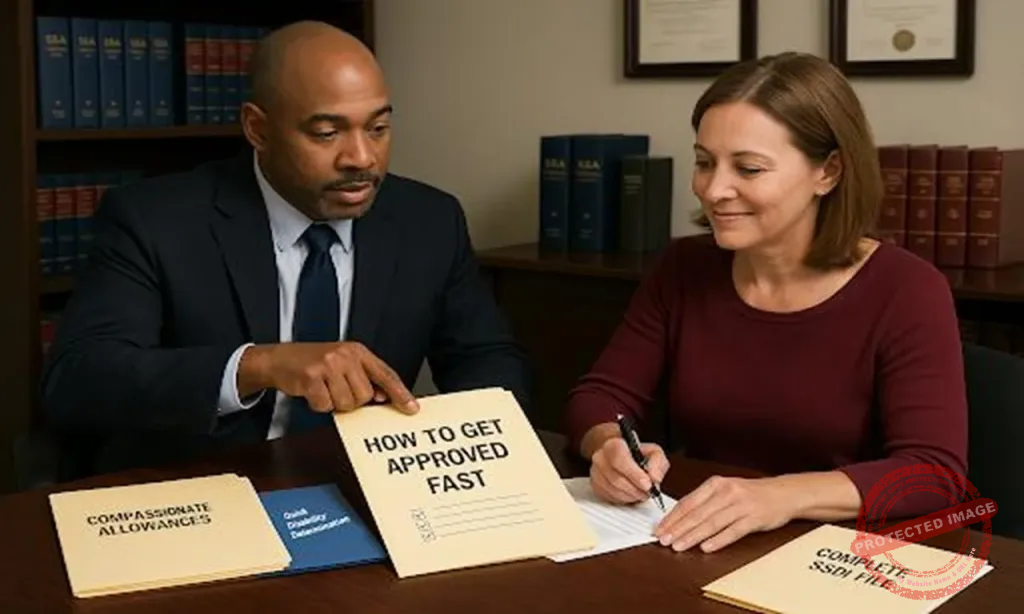
Why Timing Matters in Compassionate Allowance Cases
Quick action often improves outcomes after severe illnesses begin affecting work ability and finances unexpectedly. A compassionate allowance attorney helps applicants preserve evidence, meet deadlines, and avoid unnecessary legal mistakes. Waiting too long may weaken fast approval opportunities significantly. Fast responses often strengthen outcomes and improve financial stability after medical emergencies arise unexpectedly.
Compassionate Allowance Attorney vs General Lawyer
Not every attorney fully understands compassionate allowance programs, disability evidence, or Social Security procedures. A compassionate allowance attorney specializes in fast track disability claims, medical documentation, and benefit disputes. Hiring general legal support without disability experience may weaken outcomes. Similar to choosing medical specialists during emergencies, legal expertise often improves confidence and strengthens approval opportunities significantly.
How Employment History Affects Claims
Employment history strongly influences disability claims because work limitations and earning ability affect approval standards. A compassionate allowance attorney helps applicants understand whether employment records support benefit eligibility fairly. Think about losing work unexpectedly because severe illness changed life circumstances completely. Understanding work history rules often improves preparation and strengthens approval opportunities significantly.
Emotional Stress Caused by Serious Illness
Serious illnesses often create emotional pressure involving healthcare worries, financial uncertainty, and family stress. A compassionate allowance attorney helps applicants regain confidence while protecting disability rights carefully. Imagine worrying constantly about treatment expenses while disability limits employment unexpectedly. Emotional peace matters just as much as financial recovery after difficult healthcare situations happen unexpectedly.
How Compassionate Allowance Attorneys Negotiate Solutions
Legal professionals often help applicants resolve denied claim concerns involving medical proof, disability records, or reconsideration requests. A compassionate allowance attorney works with doctors, Social Security offices, and legal systems to improve outcomes. Fast track disability disputes sometimes become overwhelming without professional support. Skilled legal guidance often improves communication and strengthens approval opportunities significantly.
What Happens During a Compassionate Allowance Consultation
A consultation helps applicants understand disability rights, qualification concerns, and legal opportunities before problems become overwhelming. A compassionate allowance attorney reviews healthcare records, diagnosis details, denial notices, and financial concerns carefully. Think of consultations like checking maps before difficult journeys begin. Honest legal discussions often improve confidence and strengthen application preparation significantly.
Can Compassionate Allowance Cases Be Expedited Further?
Yes, some disability cases qualify for even faster processing involving terminal illnesses, urgent healthcare crises, or severe medical emergencies. A compassionate allowance attorney helps determine whether applicants meet faster review standards fairly. Imagine receiving quicker financial support during life threatening medical situations unexpectedly. Understanding expedited opportunities often strengthens protection and improves approval outcomes significantly.
How Medical Records Affect Compassionate Allowance Claims
Medical records strongly influence compassionate allowance approvals because proof depends on diagnoses, treatment history, and healthcare limitations. A compassionate allowance attorney reviews doctor reports, scans, prescriptions, and hospital evaluations carefully. Missing healthcare evidence sometimes weakens otherwise strong disability claims significantly. Understanding medical documentation importance often improves outcomes and strengthens financial protection effectively.
Long Term Benefits of Winning Fast Track Approval
Successful compassionate allowance approvals often improve financial security, healthcare access, and household stability significantly. A compassionate allowance attorney helps applicants secure monthly disability payments and overdue benefits reducing hardship. Families receiving fast approvals often experience reduced stress and stronger recovery opportunities. Proper legal guidance strengthens confidence and improves future financial stability significantly.
Why Experience Matters in Compassionate Allowance Cases
Experience matters greatly when handling disability evidence, diagnosis proof, and Social Security fast track requirements. An experienced compassionate allowance attorney understands approval systems, healthcare records, and legal procedures properly. Similar to trusting experienced doctors during difficult medical emergencies, legal expertise often improves confidence and strengthens financial outcomes significantly.
Compassionate Allowance Success Stories
Many applicants successfully secure benefits after improving healthcare evidence and strengthening disability documentation. A compassionate allowance attorney often helps families regain confidence after stressful claim denials. For example, delayed disability claims frequently succeed after stronger medical proof gets submitted successfully. Real success stories often encourage applicants protecting disability rights quickly.

Common Compassionate Allowance Mistakes to Avoid
Simple mistakes often weaken compassionate allowance approval opportunities significantly. Missing deadlines, delaying healthcare evidence, or submitting incomplete medical proof may reduce approval chances later. A compassionate allowance attorney helps applicants avoid actions weakening disability claims. Imagine qualifying for urgent disability benefits but losing approval because avoidable paperwork mistakes happened unexpectedly. Avoiding common mistakes often strengthens outcomes significantly.
How Medicare Connects With Compassionate Allowance Benefits
Medicare often connects directly with disability benefits after qualification requirements become satisfied. A compassionate allowance attorney explains healthcare protections affecting disabled individuals carefully. Many applicants overlook medical coverage while focusing only on monthly benefits. Understanding Medicare connections often strengthens financial planning and improves long term stability significantly.
Final Steps Before Applying for Compassionate Allowance Benefits
Before applying, individuals should gather diagnosis reports, healthcare evidence, financial details, and identification documents carefully. A compassionate allowance attorney helps applicants organize strategies reducing mistakes effectively. Think of preparation like building strong foundations before major legal decisions. Strong preparation often improves approval outcomes and protects long term financial recovery significantly.
Future Legal Changes in Compassionate Allowance Rules
Compassionate allowance rules continue evolving as healthcare systems, disability programs, and Social Security standards change over time. A compassionate allowance attorney stays updated on legal reforms affecting fast track approvals, healthcare evidence, and disability protections. For example, future policy updates may improve faster claim reviews or stronger applicant safeguards significantly. Understanding legal changes often helps applicants avoid surprises and improve long term financial planning effectively.
How Technology Is Improving Compassionate Allowance Claims
Modern technology increasingly helps applicants manage compassionate allowance claims through digital healthcare records, online case tracking, virtual consultations, and faster document sharing. A compassionate allowance attorney often reviews whether applicants properly organize digital medical proof before filing claims. Strong technology may reduce paperwork mistakes significantly. However, digital systems only work when applicants maintain accurate and updated healthcare records consistently.
Expert Advice for Protecting Compassionate Allowance Rights
Protecting disability rights begins before serious illnesses create overwhelming financial pressure. Applicants should save healthcare records, attend doctor appointments, follow treatment plans, and report medical updates consistently. A compassionate allowance attorney helps individuals avoid mistakes weakening legal protection. Think of preparation like building strong foundations before difficult storms. Strong preparation often improves confidence and strengthens approval opportunities significantly.
Mistakes Families Should Avoid During Claims
Many families accidentally weaken compassionate allowance claims by missing deadlines, ignoring medical advice, or submitting incomplete healthcare records. A compassionate allowance attorney often warns against assuming fast approvals happen automatically. For example, weak diagnosis proof sometimes delays urgent disability benefits significantly. Avoiding simple mistakes often strengthens financial protection and improves approval outcomes after stressful medical situations happen unexpectedly.
Why Legal Support Matters in Compassionate Allowance Cases
Severe illnesses often create emotional pressure, financial hardship, and uncertainty about the future. A compassionate allowance attorney provides legal guidance, stronger evidence strategies, and disability support helping applicants avoid costly mistakes. Families frequently feel powerless when medical crises and disability rules become confusing simultaneously. Professional legal help improves confidence, strengthens financial recovery, and increases approval opportunities significantly.
FAQs
What does a compassionate allowance attorney do?
A compassionate allowance attorney helps applicants qualify faster for disability benefits through expedited Compassionate Allowances programs.
When should I hire a compassionate allowance attorney?
You should contact a compassionate allowance attorney immediately after diagnosis or when disability applications become confusing.
Can compassionate allowance claims be denied permanently?
Yes, some claims face denials, but stronger medical proof or legal review sometimes creates additional approval opportunities.
How much does a compassionate allowance attorney cost?
Many compassionate allowance attorney services work through contingency arrangements or regulated legal fee structures.
How long do compassionate allowance claims take?
Timelines vary depending on diagnosis, medical proof, and Social Security processing systems, though many claims move faster.
Can compassionate allowance claims qualify for expedited review?
Yes, many severe illnesses and qualifying diagnoses automatically receive faster review through Compassionate Allowances programs.
Can denied compassionate allowance claims still get approved later?
Yes, many denied claims later receive approval after stronger healthcare evidence improves disability eligibility.
Conclusion
Serious illnesses often create emotional stress, financial hardship, and uncertainty, especially when medical treatments limit the ability to work. Many applicants feel overwhelmed by disability paperwork, healthcare documentation, or confusing Social Security rules without fully understanding their legal rights. That is why working with an experienced compassionate allowance attorney often makes a major difference. From strengthening medical proof and improving fast track eligibility to protecting legal rights and reducing delays, professional guidance helps families move forward confidently. Taking action early often improves approval opportunities and strengthens long term financial stability.